What a Charging Quotation Should Say About the Metering Boundary
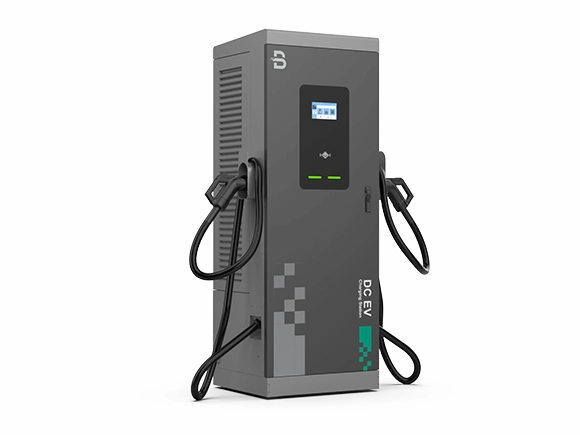
A charging quotation should identify where energy is measured and what each measurement is used for. Energy reported to a driver, electricity entering the charging equipment and the building's grid import may describe different boundaries. Comparing them as though they were the same number can create unnecessary billing and performance disputes.
Before accepting the offer, ask the supplier and operator to put the measurement points on a simple diagram. Then connect each point to the report, charge or operating limit it supports.
Name the purpose of each measurement
Separate three questions. How much energy was associated with a charging session? How much electricity did the charging installation take from its supply? What did the whole site import from the grid? The answers can support different tasks and need not come from the same meter.
Also distinguish power in kW from energy in kWh. A power reading describes a rate at a moment or over a stated interval; an energy reading accumulates delivery over time. A session total should not be compared directly with a single instantaneous power value.
The quotation should state the measurement point, units and reporting interval. If a value is estimated or derived rather than directly measured, identify that method so the owner knows what the record can support.
Define what the customer is charged for
Ask which measurement is used for the driver-facing charge and how the applicable tariff is applied. Where time, parking or other fees are involved, keep them distinct from the energy quantity. The price calculation needs a common version and effective period across the equipment, platform and displayed customer information.
Any metering approval or billing requirement must be checked for the project's jurisdiction and commercial arrangement. A meter in a charger is not, by its presence alone, evidence that every intended billing use is permitted.
BENY's public AC and DC charging equipment range covers different equipment families. For a quotation from that range, request the metering and reporting arrangement for the exact model and operating platform. The category listing does not establish a particular billing certification or settlement method.
Keep the site control boundary separate
A site controller may need to manage grid import while the charging platform reports session energy. If other building loads, solar generation or storage sit behind the same grid connection, charging-session totals do not describe the entire site's import.
Consider an illustrative one-hour period. The grid meter records 100 kWh imported while charging sessions record 60 kWh delivered at their agreed boundary. That difference cannot be labelled charger losses without knowing the building's other demand, onsite generation, storage flows and measurement timing.
Use the electrical diagram to identify what sits between the meters and what other flows each meter includes. This turns an apparent mismatch into a set of questions that can be checked, rather than an accusation based on two unrelated totals.
Agree a practical reconciliation test
Ask for a controlled test covering a stated start and end time. Capture the relevant meter registers or reports, the active sessions, known operating conditions and any auxiliary loads included in the measurement boundary. Use consistent units and time zones.
Define the expected relationship and acceptable investigation threshold with the responsible specialists. Do not invent a universal percentage difference: equipment, measurement points and the test conditions all matter.
If the totals do not agree as expected, preserve the source records. Check timing, missing sessions, data availability and boundary definitions before changing the tariff or meter configuration. A reporting gap and a physical measurement problem require different remedies.
Include the records in the handover
The final pack should show each meter's location and identifier, the report it feeds, who owns the data and how records can be exported. Include the tariff version and the contact responsible for a billing dispute.
Ask how the operator will recognise missing or stale readings. A complete-looking report should not silently turn an unknown period into zero consumption.
With those details in the quotation, the owner can compare like with like. Drivers, the charging operator and the facility manager may use different measurements, but each can understand what its number includes and where a genuine discrepancy should be investigated.